


Comprehensive Eye Exam vs. Vision Screening: Why Braintree Patients Need More Than Just a Chart Test
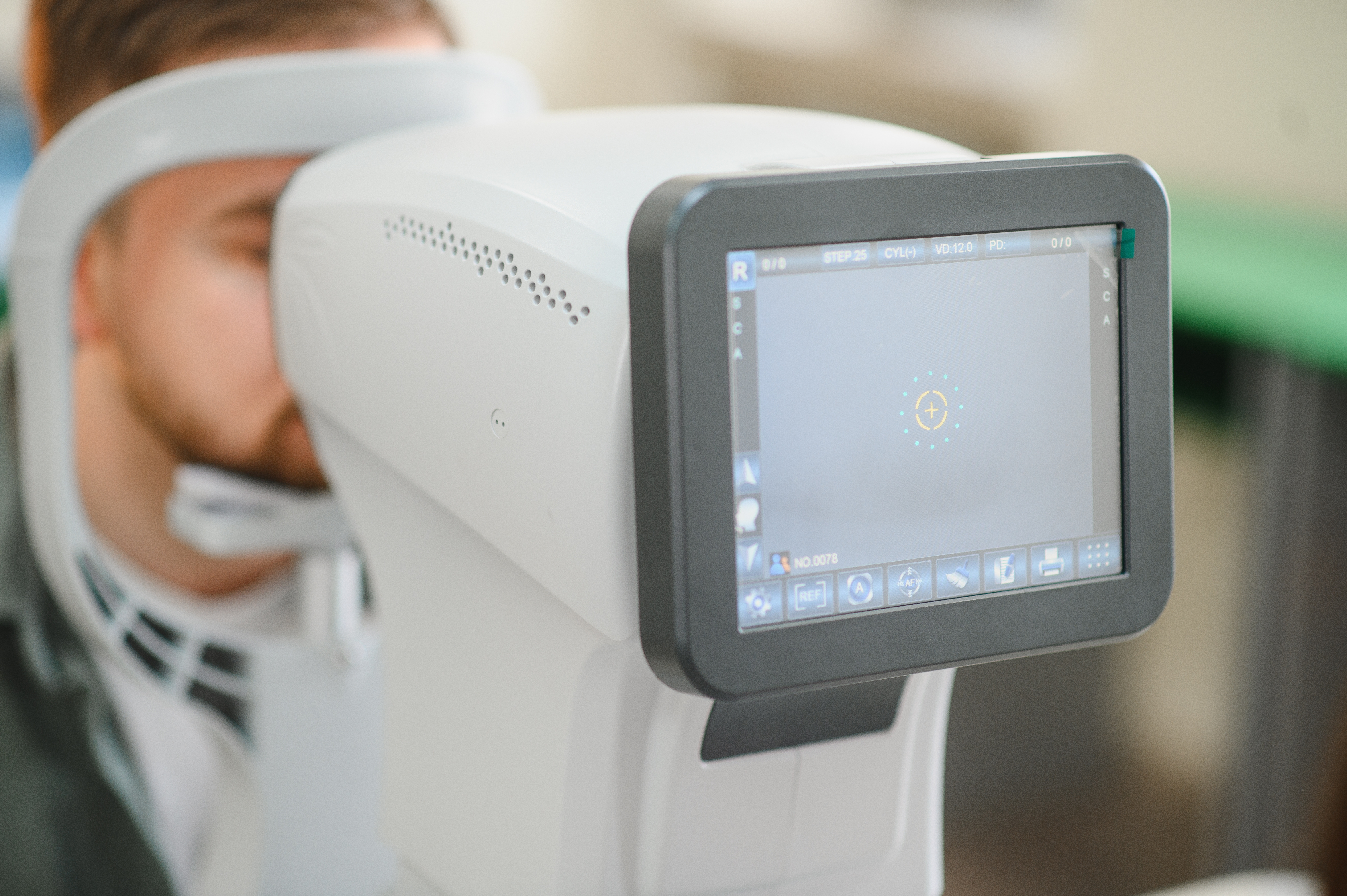
Many people assume that reading the smallest line on an eye chart means their eyes are healthy. While a vision screening can identify certain problems with visual clarity, it provides only a limited snapshot. A comprehensive eye exam evaluates how well you see, how your eyes work together, and whether there are signs of eye disease or other concerns.
At Blue Hills Eye Associates, we encourage Braintree patients to understand the difference between a basic vision screening and a complete eye health evaluation. Passing a chart test does not always mean that no further care is needed.
What Does a Vision Screening Measure?
Vision screenings are commonly performed at schools, workplaces, health fairs, and primary care offices. They are designed to quickly identify people who may have difficulty seeing clearly and should receive further testing.
Most screenings primarily measure distance visual acuity. This means checking whether you can recognize letters, numbers, or symbols from a set distance. Some screenings may also include a basic test for near vision or eye alignment.
These checks can be useful, but they are not intended to diagnose eye conditions or provide a complete prescription. Lighting, testing distance, fatigue, and even guessing can affect the results. A person may also have clear distance vision while experiencing eye strain, focusing problems, peripheral vision changes, or early eye disease.
What Happens During a Comprehensive Eye Exam?
A comprehensive eye exam in Braintree is performed by an eye doctor and is tailored to the patient’s age, symptoms, health history, and visual needs. It looks beyond whether you can read an eye chart.
Depending on your needs, an exam may assess:
- Visual acuity at different distances
- Your eyeglass or contact lens prescription
- Eye focusing, tracking, and coordination
- Peripheral vision and depth perception
- Eye pressure and the health of internal eye structures
- The cornea, lens, retina, optic nerve, and surrounding tissues
- Changes related to medications or medical conditions
Additional testing may be recommended when the doctor needs a more detailed view of a particular structure or function. This allows us to create a personalized plan rather than relying on a single screening result.
Why Clear Vision Does Not Always Mean Healthy Eyes
Some eye conditions can develop without obvious pain or early changes in central vision. A patient may still read the chart clearly while changes are occurring inside the eye. Comprehensive eye exams give the doctor an opportunity to evaluate structures that cannot be assessed through a basic vision screening.
Routine eye care can be especially important for patients with diabetes, high blood pressure, a family history of eye disease, previous eye injuries, or long-term medication use. Adults experiencing headaches, glare, double vision, eye fatigue, or difficulty seeing at night should also discuss these symptoms during an exam.
Comprehensive Exams Support More Accurate Prescriptions
A quick chart test cannot determine the full prescription needed for comfortable daily vision. During a comprehensive eye exam, we refine the prescription and consider how the patient uses their eyes at work, at school, while driving, and during digital device use.
This matters because small prescription changes may affect comfort and performance. Patients who wear contact lenses also need an evaluation of lens fit, corneal health, and tear quality. A contact lens prescription requires measurements and assessments that are not part of a standard vision screening.
When Should Braintree Patients Schedule an Eye Exam?
You should not wait for a failed screening to schedule comprehensive care. The appropriate exam schedule depends on your age, health, symptoms, risk factors, and your eye doctor’s recommendations. An earlier appointment may be appropriate if you notice blurred vision, flashes, new floaters, eye pain, sudden vision changes, or persistent discomfort.
Regular comprehensive eye exams help establish a baseline, monitor changes over time, and ensure your visual correction continues to meet your needs. They provide information that a chart test alone cannot deliver.
Schedule your comprehensive eye exam with Blue Hills Eye Associates at 340 Wood Road, Suite 2020, Braintree, MA 02184. Call (781) 794-2200 to book your appointment.


MAP
© 2026 Blue Hills Eye Associates. All Rights Reserved. Accessibility Statement - Privacy Policy - Sitemap
Powered by: 