


Why OCT Is a Game-Changer for Early Eye Disease Detection
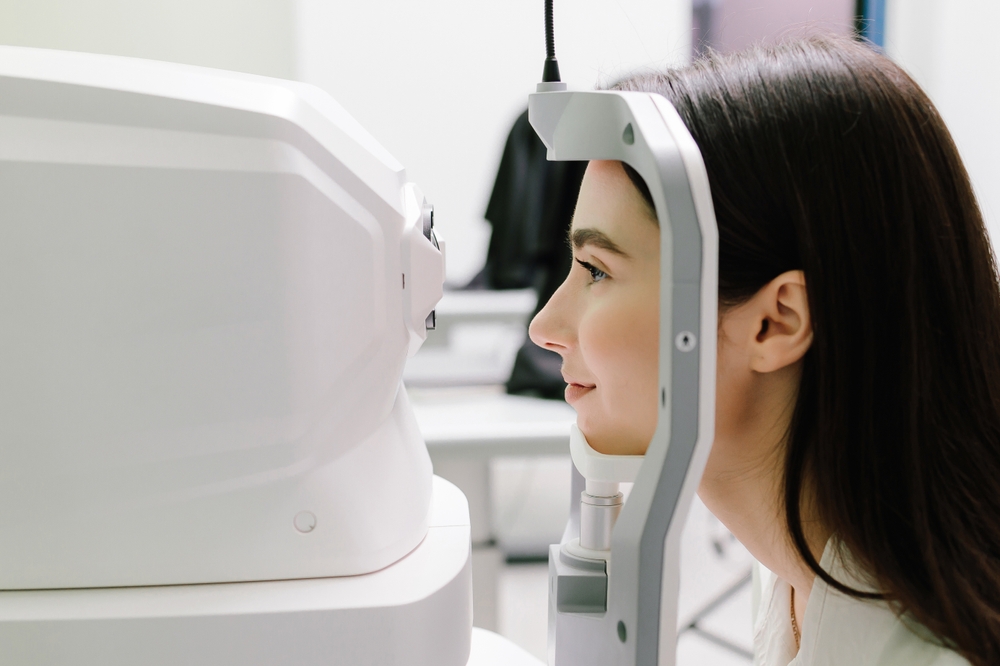
When it comes to protecting long-term vision, early detection makes a major difference. Many eye diseases develop quietly, often without pain or noticeable vision changes in the beginning. That is why advanced imaging technology like OCT has become such an important part of modern eye care. At Blue Hills Eye Associates, we use detailed diagnostic tools to help us evaluate eye health more precisely and identify concerns as early as possible.
What Is OCT?
OCT stands for Optical Coherence Tomography. It is a non-invasive imaging test that allows us to capture detailed cross-sectional images of the retina, the light-sensitive tissue at the back of the eye. These images help us see layers of the retina that cannot be evaluated in the same level of detail with a standard eye exam alone.
The test is quick, comfortable, and does not involve touching the eye. For many patients, OCT provides valuable insight into eye health before symptoms begin.
Why Early Detection Matters
Many serious eye conditions can progress before a person realizes anything is wrong. By the time vision changes become noticeable, damage may already be more advanced. OCT helps us look for subtle changes earlier, which can support faster diagnosis, closer monitoring, and more timely treatment when needed.
This is especially important for conditions that affect the retina or optic nerve. With early detection, we can often track changes over time and help patients make informed decisions about their eye care.
Eye Conditions OCT Can Help Monitor
OCT is especially useful because it gives us a clearer view of structures inside the eye. During a medical eye exam or comprehensive evaluation, OCT may help us detect or monitor:
- Glaucoma-related optic nerve changes
- Macular degeneration
- Diabetic eye disease
- Retinal swelling or fluid
- Macular holes or puckers
- Changes in retinal thickness
- Unexplained vision changes
By comparing images over time, we can identify whether a condition is stable, improving, or progressing.
A More Detailed View Than Traditional Testing Alone
Traditional eye exams remain essential, but OCT adds another layer of information. Instead of only viewing the surface of the retina, OCT allows us to evaluate its deeper structure. This can reveal small changes that may not be visible through other methods.
For patients in Braintree who have a family history of eye disease, diabetes, high eye pressure, or age-related vision risks, this level of detail can be especially helpful. It allows our team to be more proactive with monitoring and care planning.
OCT Supports Personalized Eye Care
No two patients have the exact same eye health needs. OCT helps us tailor care based on what we see in each patient’s scans. If everything looks healthy, the images can serve as a helpful baseline for future comparison. If we notice changes, we can recommend the next appropriate step, whether that is closer monitoring, additional testing, or referral for specialized care.
Our goal is to help patients understand what is happening with their eyes and feel confident about their treatment plan.
Protecting Your Vision With Advanced Technology
Clear vision is only one part of healthy eyes. Some eye diseases can affect the retina or optic nerve before they interfere with day-to-day sight. By using OCT as part of advanced diagnostic eye care, we can better evaluate the health of the eyes and help protect vision for the future.
For more information about OCT and early eye disease detection, contact Blue Hills Eye Associates in Braintree, MA by calling (781) 794-2200.


MAP
© 2026 Blue Hills Eye Associates. All Rights Reserved. Accessibility Statement - Privacy Policy - Sitemap
Powered by: 